
Rule of Law Survey
National opinion surveys to identify challenges to the rule of law and Australia’s democratic institutions.
Teacher Survey on Respectful Debate in Schools:
April 2026
Overview
The Rule of Law Education Centre, Australian Legal Studies & Civics Teacher Survey 2026 on Respectful Debate in schools was conducted online on Thursday February 2, 2026, to Tuesday April 21, 2026, with a cross-section of 216 teachers across Australia. Recipients were contacted via The Rule of Law Education Centre Mailing List and Facebook Groups for teachers to complete an online survey.
This survey examined teachers’ perspectives on the role of teachers and schools in fostering respectful debate and discussion of contemporary and controversial issues. It looked at their confidence in facilitating such discussions, and the barriers and support influencing practice.
Background
Education systems are a key mechanism through which a society promotes the democratic principles around freedom, pluralism, and the rule of law. Where education systems do not explicitly teach these principles or fail to provide the skills and conditions needed to practise them, social cohesion is weakened, and space is created for ideologically motivated extremism to flourish.
The Khan Review from the United Kingdom in 2024 outlined:
“Social cohesion is concerned with how we live together in a diverse democracy and how we peacefully navigate disagreements for the common good, despite the difference among us… Cohesion does not mean consensus or conformity. Instead, cohesion embraces and recognizes the importance of pluralism, dissent and debate in a liberal democracy and the need to protect it”.
Overall Attitudes
Survey results show strong consensus that teachers and schools play an important role in teaching and modelling respectful debate and contributing to social cohesion.
As one teacher from Western Australia wrote:
“Schools should be a safe place to hear alternative views without fear of 'indoctrinating' from a parental or societal perspective. Leaders and government need to understand schools are societal microcosms.”
1. Confidence Levels
Teachers’ self-reported confidence in facilitating an open classroom environment that supports free and respectful debate was moderate to high overall with 88% of teachers feeling very to somewhat comfortable.
2. Frequency to provide opportunities in class
When asked, how often do you provide opportunities in your classroom for students to engage in open, respectful debate or discussion on contemporary or controversial issues, just over half of the teachers provided opportunities two or more times per week. A small portion (15%) of teachers provided opportunities for open respectful debate or discussion on contemporary or controversial issues less than once a fortnight.
3. Barriers to Facilitating Debate Based Discussions
The most significant factors that discouraged teachers from facilitating debate-based discussions on contemporary or controversial issues were:
Limited Space in the Curriculum: 49% respondents rated this as the most significant factor
Concern about potential reactions from parents or caregivers: 45% respondents rated this as the first or second most significant factor
Concern about student reactions, including possible conflict or escalation: 36% respondents rated this as the first or second most significant factor
4.Ways to improve confidence in leading debate-based Frequency to provide opportunities in class
A list of suggested ways that would increase confidence in leading debates was provided, and teachers were asked to select as many items as they felt were relevant. In descending order, the teachers selected
Professional Development on addressing challenging topics in the classroom
A set of professional guidelines and pedagogical strategies for teachers that help them facilitate discussions on controversial topics to limit personal bias (a “neutrality” framework).
All of the above
Pre-vetted lesson plans and topics
Professional development on de-escalation techniques
Clear policy protection for teachers from leadership and/or government
Creation of a school or statewide policy supporting open and respectful debate
Office correspondence from your school leadership to parents stating the policy
From the responses, 37% selected ‘All of the Above’, 52% selected ‘Professional development on addressing challenging topics in the classroom’ and 42% selected ‘A set of professional guidelines and pedagogical strategies for teachers that help them facilitate discussions on controversial topics to limit personal bias (a “neutrality” framework).’
5. Students’ ability to disagree with each other without it becoming personal or hostile
Teachers were also asked if, in their experience, students generally demonstrated the ability to disagree with each other without issues becoming personal or hostile. Over one quarter (26%) of teachers responded, ‘To a great extent’ and almost half (48%) to a moderate extent.
6. General comments from teachers
At the end of the survey, teachers were asked if they had any other comments about the role of schools and classrooms in supporting social cohesion, and in helping students understand shared social norms, values, and principles.
The comments reflected a range of teacher perspectives and experiences regarding facilitating debate-based discussions.
A sample of comments:
“Being a commerce/humanities teacher can mean walking a fine line as you need to use current contexts for educational purposes. Perhaps having the right PD would enable me to better take on challenging situations in the classroom. Although, our students are pretty respectful of each other's opinions.”
“I think these discussions are central to the teaching of humanities. I would like some support in getting students to feel confident to disagree in a respectful way.”
“So important for schools to foster these shared norms and acceptance (and embracing) of others and different opinions. Many teachers feel that the Controversial Opinions policy means everything needs to be avoided.”
“We need to continue to create pathways to support social cohesion and provide teachers with the tools to enable this process.”
“The classroom provides the base information and knowledge that allows students to understand and then process shared social norms, values and principles. It should also allow the safety to explore these concepts as well as the challenge for students to justify, explore and defend the concepts.”
Conclusion
Most teachers believe respectful debate is an essential part of the classroom environment.
Yet many feel constrained by curriculum and negative reactions from parents and students. Many of the ways that teachers have identified that would increase their confidence in facilitating debate‑based discussions on contemporary or controversial issues are policy areas that education authorities can implement such as prioritizing in the curriculum, providing professional development for teachers and developing professional guidelines and pedagogical strategies for teachers.
Previous Surveys
-
Rule of Law Survey 2025
A majority of respondents (55 per cent) rated the legal system – Australia’s framework of laws and justice processes – as either good or very good. But despite that positive assessment, the Rule of Law Survey has also identified widespread concern about the ability of the legal system to deliver on the goal of equal treatment under the law.
It found overwhelming support for the equal protection of rights (93 per cent) and that level of support is broadly reflected across the political spectrum of voters in all states, age groups and employment categories.
Those polled believe the most important goal of the legal system should be to ensure everyone has the same rights, freedoms and opportunities (79 per cent) rather than the same social and economic outcomes (16 per cent).
But fewer than half (47 per cent) believe the legal system is actually providing equal treatment for everyone regardless of background.
One of the clearest findings was a strong belief in every state and across the political spectrum that the legal system favours some groups over others.
These findings have implications for those in government who are largely responsible for the design of the nation’s legal system.
They suggest that the community’s overall positive view of the legal system is being eroded by concern that certain identity groups are receiving favoured treatment which is unavailable to the general community.
-
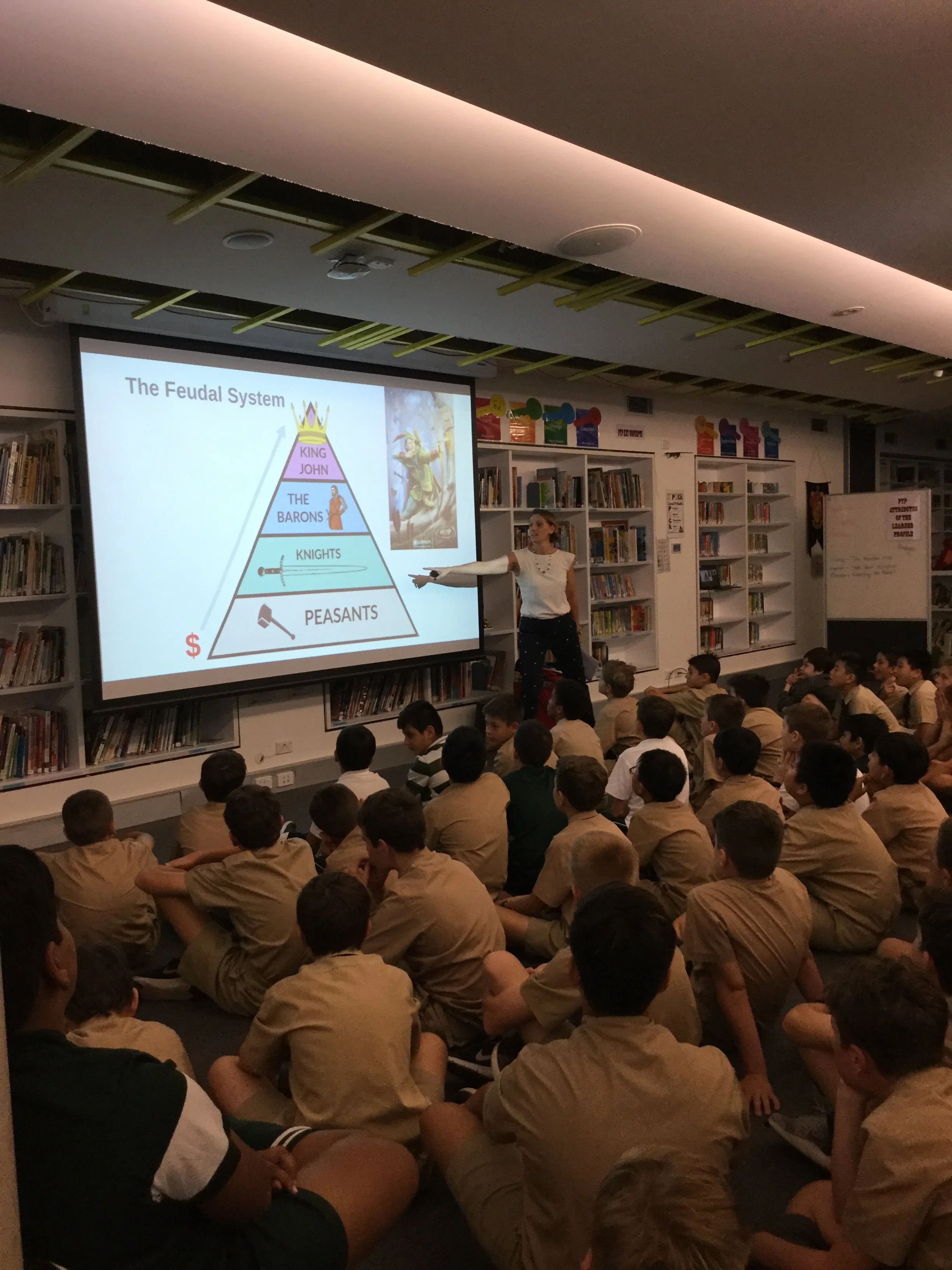
Australian Legal Studies & Civics Teacher Confidence Survey 2025
The special Rule of Law Education Centre, Australian Legal Studies & Civics Teacher Confidence Survey2025 was conducted online on Thursday February 27, 2025 to Tuesday March 3, 2025, with a cross-section of 411 teachers across Australia. Recipients were contacted via The Rule of Law Education Centre Mailing List and Facebook Groups for Teachers where teacher completed an online survey.
When asked, as a part of your teaching qualification, if they undertook any formal training specifically for teaching of Legal Studies, Commerce or Civics, respondents were evenly split with 52% having undertaken formal training specifically for teaching Legal Studies, Commerce or Civics compared to 48% of respondents who have done no formal training for teaching Legal studies, Commerce or Civics.
In the survey, over 50% of respondents feel very or extremely confident in teaching a wide range of civic and legal concepts.
Of respondents who are not extremely confident in being able to teach a wide range of subjects (about two-thirds), there were two main reasons as to why they lacked confidence:
Over 36% of respondents revealed they had not received any formal training in the areas they have been teaching or had limited exposure to the civics concepts they are now teaching. As a result, they have been learning on the job.
The next most relevant explanation was that teachers found that current contemporary issues make it difficult to facilitate respectful debate in the classroom.
This need for greater teacher training is further underscored by responses to what would increase their confidence. T33%t found that more education in fundamental civic and legal concepts would boost their confidence and 32% found having more skills to guide respectful discussions and debates would boost their confidence.
Over 50% of respondents use the internet, including social media and read online newspapers daily as their source of news. Interestingly, nearly half of respondents hardly ever or never get their news from podcasts.